

Desert Architect
Desert Building Strategies
Desert Architect
Building Design & Orientation
Desert Building Strategy
Thermal Mass
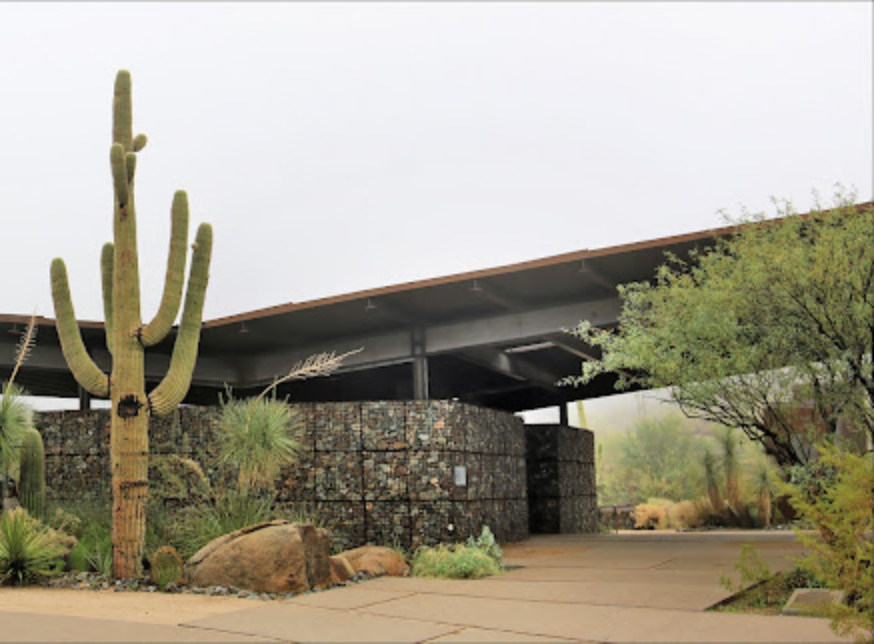
Thermal mass, a crucial element in desert architecture, refers to materials that absorb, store, and release heat, moderating temperature fluctuations within a building. In desert climates, thermal mass helps keep interiors cool during the day and warm at night. Traditional adobe, with its dense earthen construction, is a classic example, slowly absorbing the sun's heat during the day and releasing it gradually at night. Modern applications utilize a variety of materials, including concrete, which offers excellent thermal performance due to its density. Gabions, wire cages filled with rocks or other dense materials, provide both thermal mass and structural support, often used in retaining walls or as part of the building envelope. By strategically incorporating thermal mass, desert homes can achieve a more comfortable and energy-efficient living environment.
Desert Building Strategy
Earth Sheltering
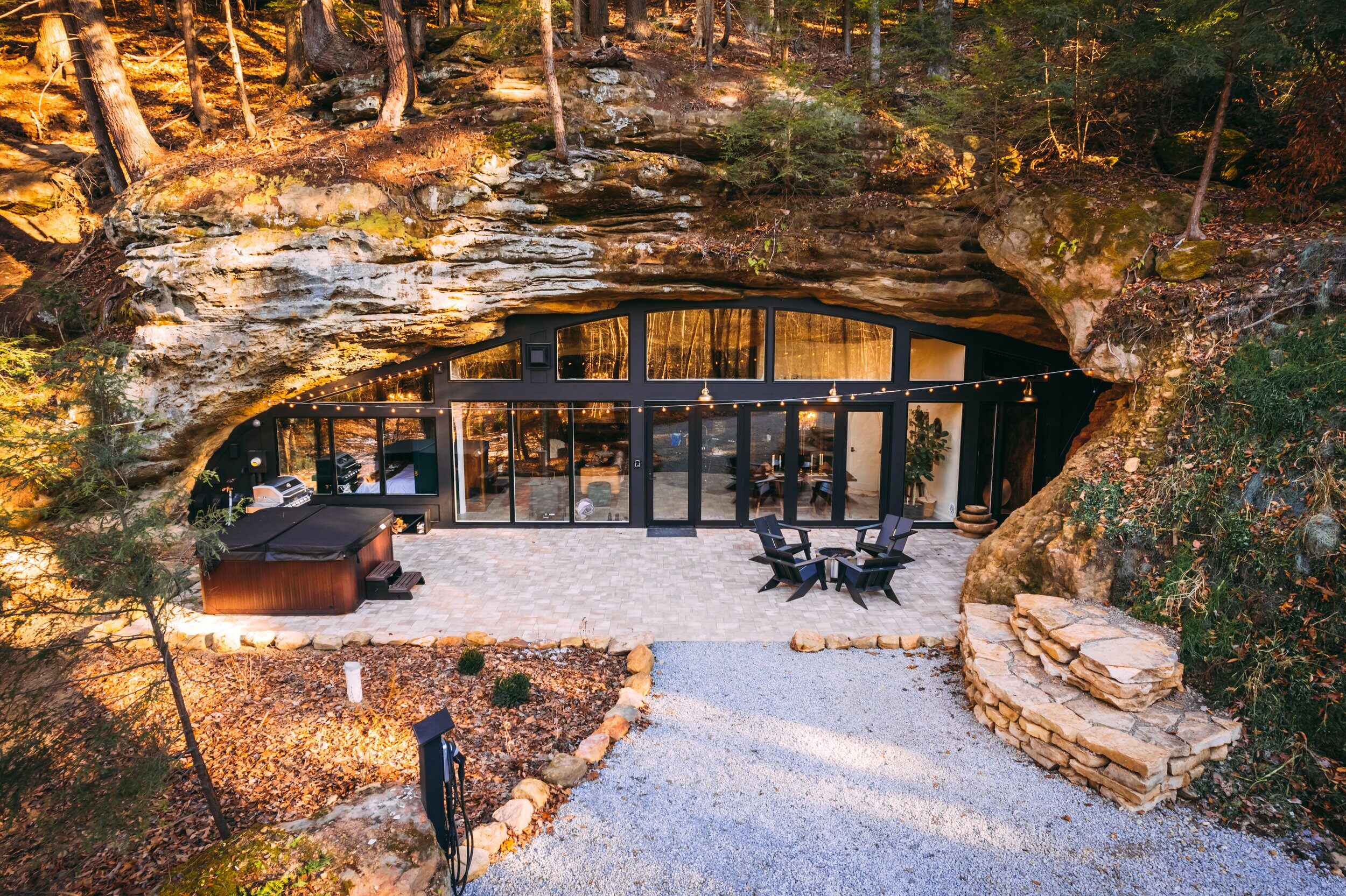
Earth sheltering, a time-honored building practice, utilizes the earth's natural insulating properties to create comfortable and sustainable living spaces. From the earliest humans seeking shelter in caves to ancient cliff dwellings carved into rock faces for protection from the elements, the principle remains the same: leveraging the earth's stable temperature to moderate interior environments. Modern earth-sheltered homes include fully recessed designs offering exceptional energy efficiency and privacy. These contemporary applications often incorporate advanced building materials and techniques to maximize thermal performance and create beautiful, functional living spaces that harmonize with the natural world.
Desert Building Strategy
Bermed Buildings
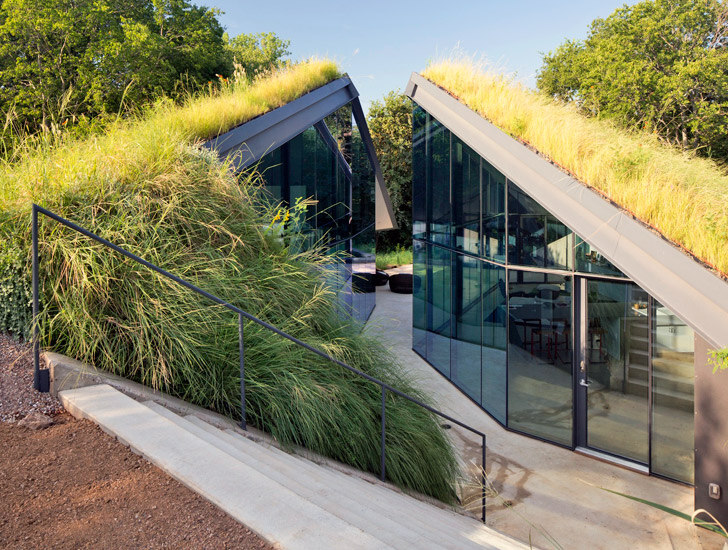
Bermed housing, a form of earth sheltering, integrates structures with the surrounding terrain by covering them with earth on one or more sides. This technique creates a natural insulating layer, moderating interior temperatures and reducing reliance on mechanical heating and cooling. From ancient pit houses partially sunk into the ground to modern homes nestled into hillsides, berming offers a balance between the benefits of earth sheltering and a more conventional above-ground aesthetic. Contemporary bermed designs often feature large windows and open floor plans, maximizing natural light and views while still benefiting from the earth's thermal mass and protective qualities.
Desert Building Strategy
Subterranean Structures
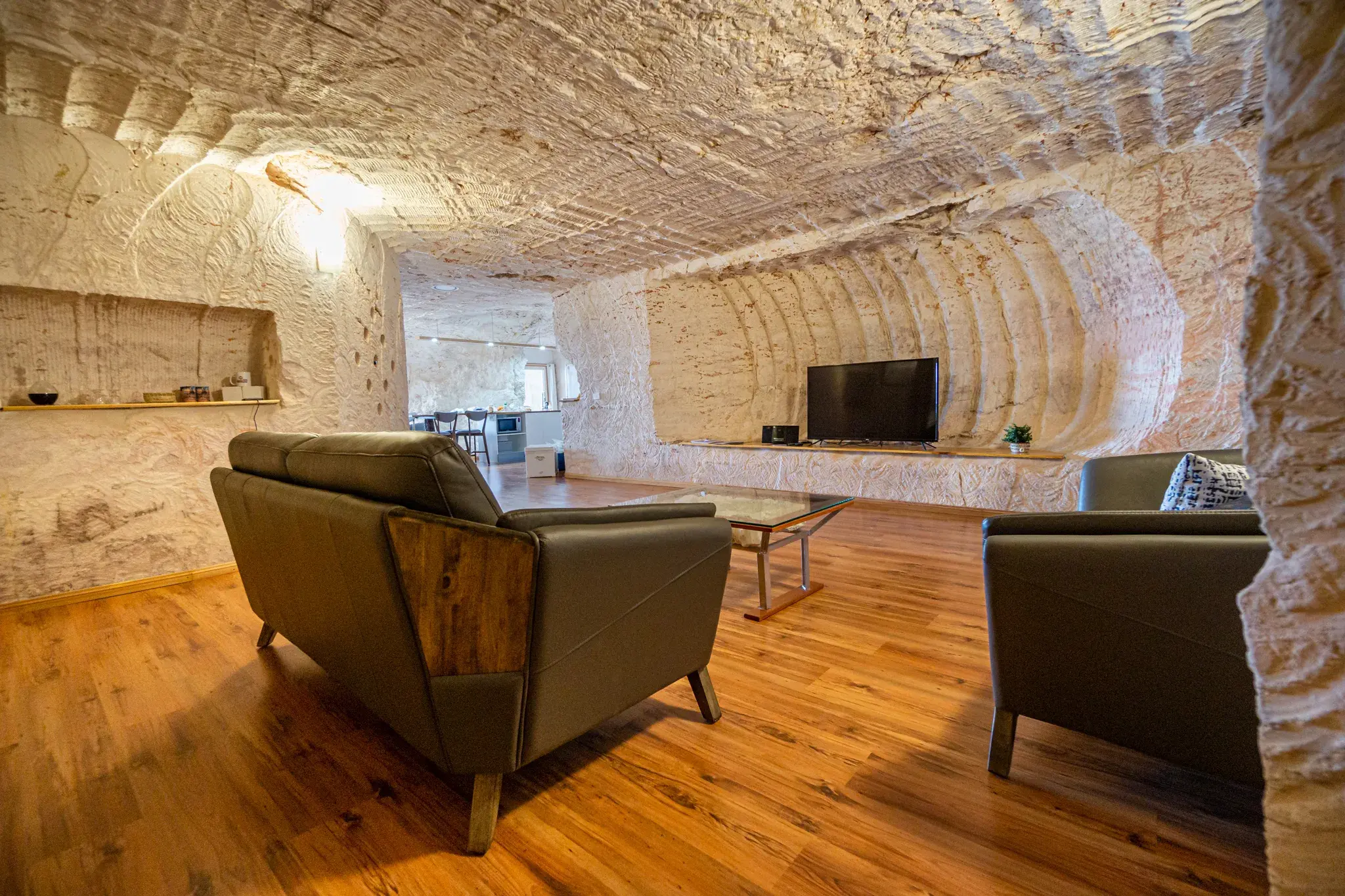
Subterranean dwellings, built entirely underground, offer unique advantages, particularly in harsh climates. By leveraging the earth's stable temperature, these structures maintain a consistent and comfortable interior environment, minimizing the need for heating and cooling. This natural insulation provides a refuge from extreme temperatures and weather conditions. Ancient examples, like the sprawling underground city of Derinkuyu, Turkey, demonstrate the long history of this building practice. Modern applications range from the quirky dugouts of Coober Pedy, Australia, where residents live to escape the desert heat, to the more luxurious underground house in Las Vegas. Bunkers represent an extreme adaptation of subterranean living, designed for protection and survival. Even the common basement, found in many homes, is a form of subterranean structure, offering additional living space while benefiting from the earth's insulating properties.
Desert Building Strategy
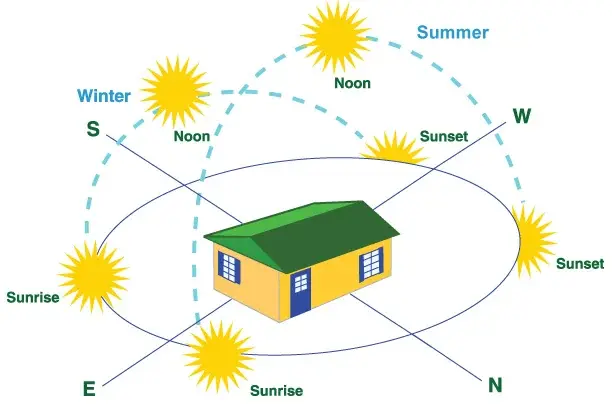
Building Orientation
Optimizing building orientation to minimize exposure to the intense sun, particularly during the hottest parts of the day. South-facing walls in the Northern Hemisphere (and North-facing in the Southern Hemisphere) should be minimized or shaded to reduce solar gain. In Arizona, the front of the house should ideally have northern exposure.
Desert Architect
Roof Design
Desert Building Strategy
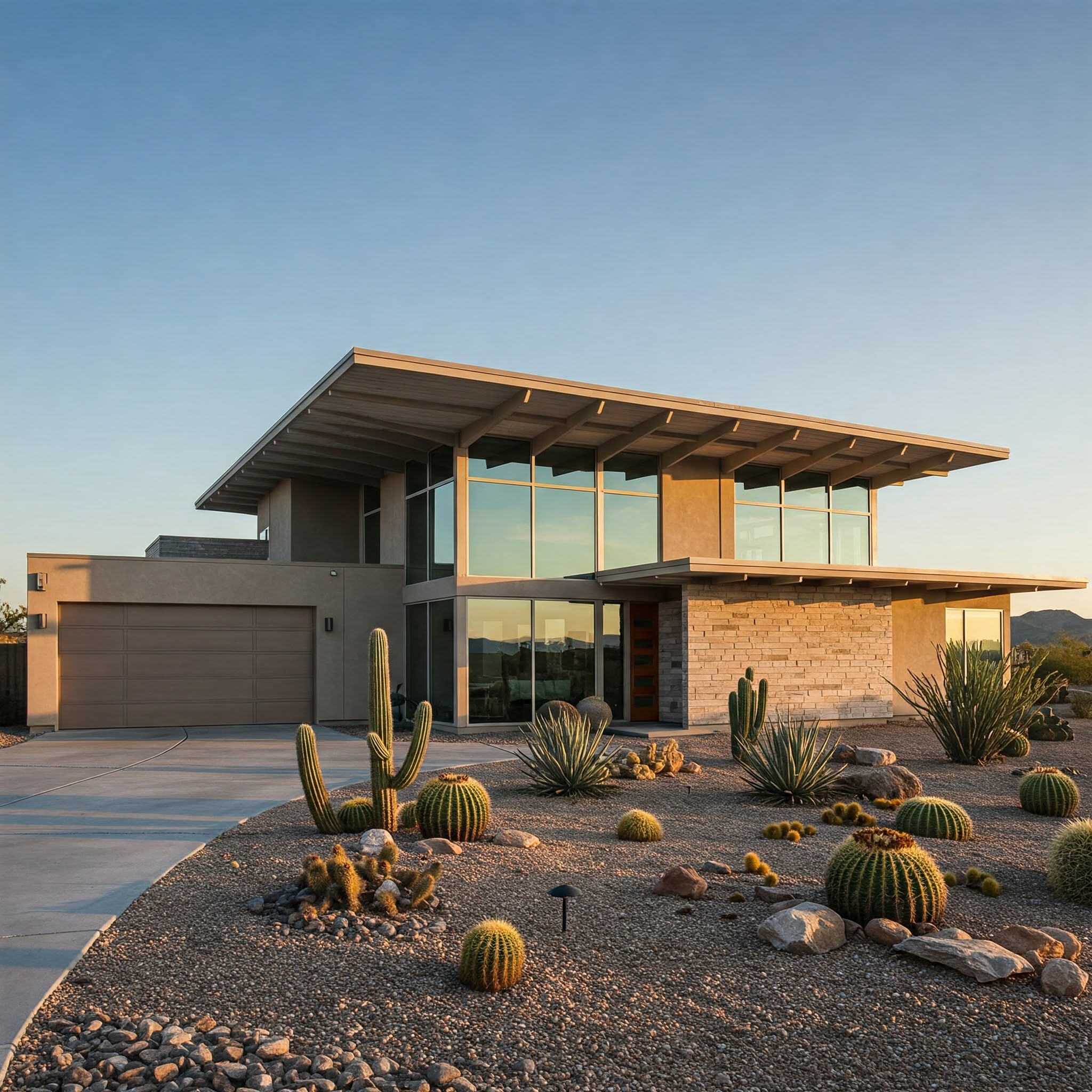
High Roof
High roofs, a traditional element in desert architecture, offer several advantages in harsh climates. They create a larger volume of interior space, allowing hot air to rise and stratify, creating a cooler zone at living levels. This natural ventilation effect, often enhanced by strategically placed windows or vents, helps to exhaust warm air and promote airflow. High roofs also provide more surface area for insulation, further reducing heat gain. From simple pitched roofs to more complex vaulted or domed structures, high roofs contribute to a more comfortable and naturally cooled living environment in desert regions.
Desert Building Strategy
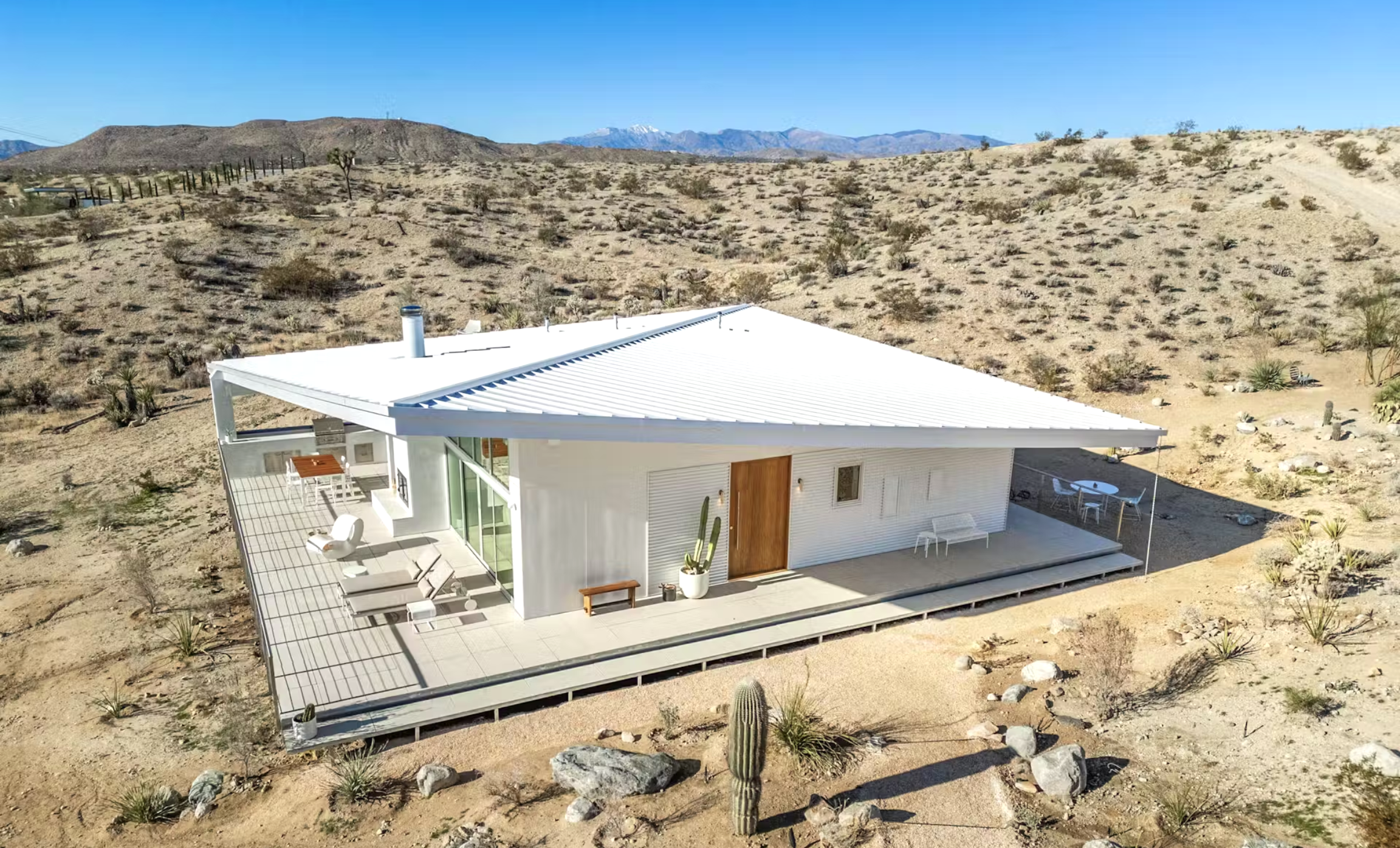
Cool Roof
Roofs with high solar reflectance (albedo) to reflect sunlight and reduce heat absorption. White or light-colored roofs are common examples.
Desert Building Strategy
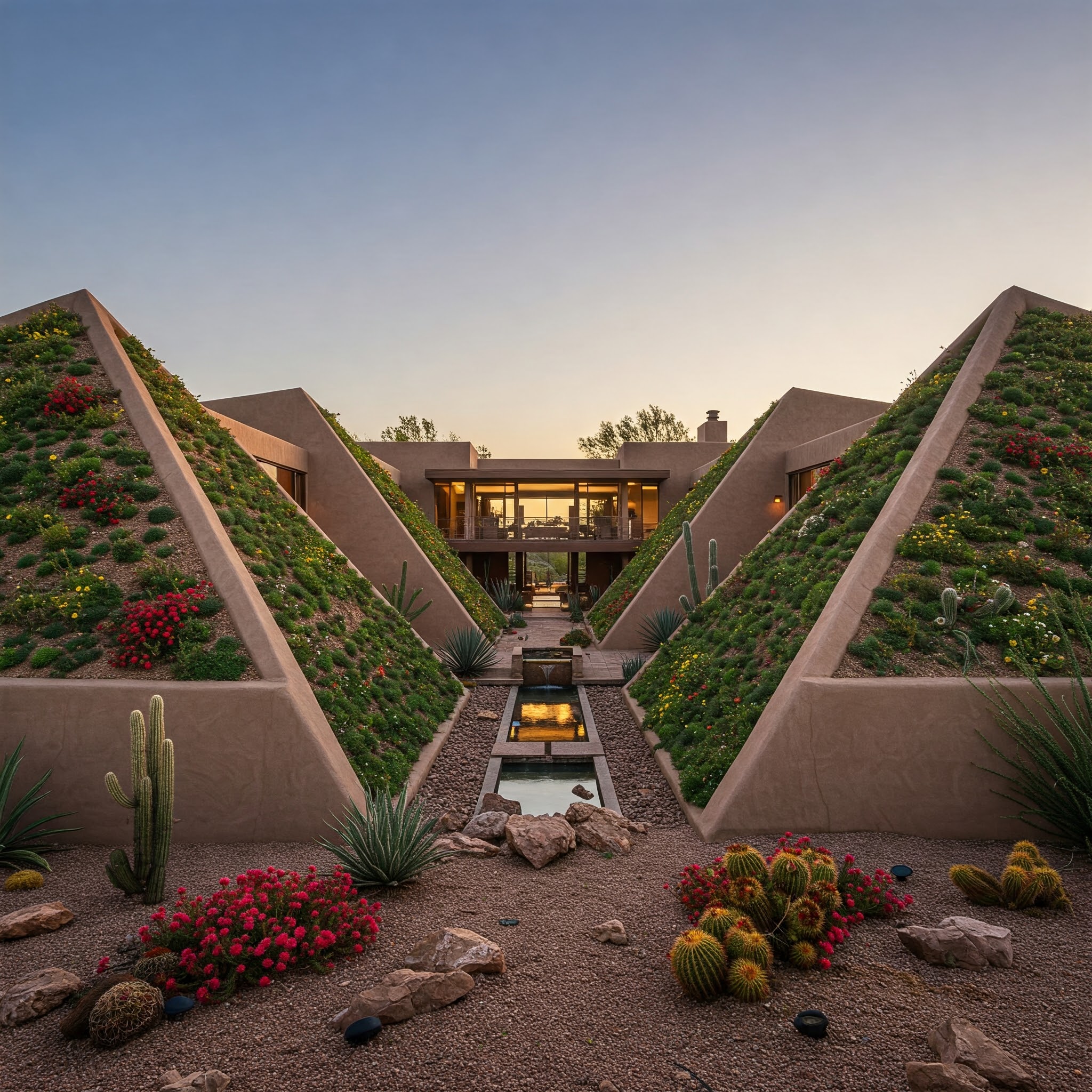
Green Roof
Green roofs, vegetated rooftops, offer a range of benefits, particularly in urban environments. They provide insulation, reducing building energy consumption by moderating temperature fluctuations. Green roofs also mitigate the urban heat island effect, lowering ambient temperatures in cities. Through evapotranspiration, the process by which plants release water vapor, they cool the surrounding air. These vegetated surfaces can also reduce stormwater runoff, filter pollutants, and create valuable green spaces in otherwise built-up areas.
Desert Building Strategy
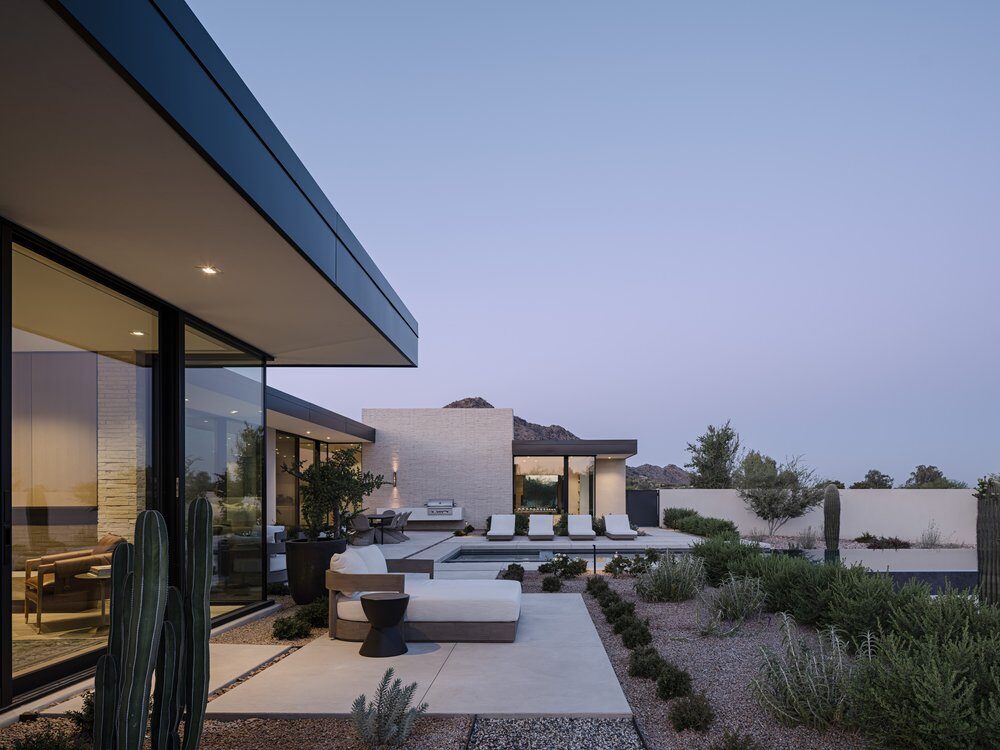
Eaves
Eaves, the most common of roof overhangs, are a crucial design element in desert architecture. By projecting beyond the walls of a building, they provide shade for windows and walls, reducing direct solar heat gain and keeping interiors cooler. The length and angle of the overhang are carefully calculated to maximize shading during the hottest parts of the day and year, while still allowing some solar gain in the winter if desired. This passive cooling strategy minimizes the need for mechanical air conditioning, contributing to a more comfortable and energy-efficient home.
Desert Architect
Windcatchers
Desert Building Strategy
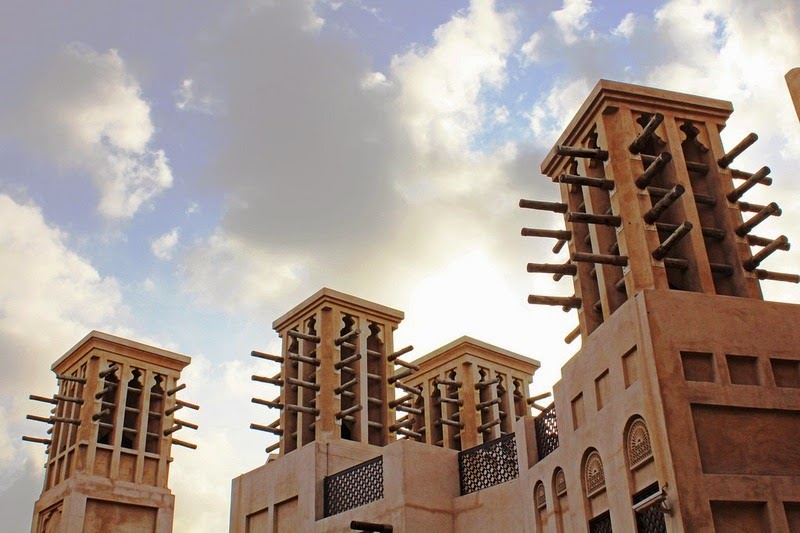
Windcatchers - Badgirs
Badgirs are towering ventilation structures that have defined Persian desert architecture for over a millennium, providing natural air conditioning in some of the world's hottest climates. These iconic towers rise above rooftops with openings on all four sides, designed to capture wind from any direction and channel it down into living spaces below. As air descends through the tower's internal shafts, it creates positive pressure that drives hot, stale air upward and out through the opposite openings, establishing continuous natural ventilation without any mechanical systems.
Traditional badgirs often work in concert with qanats—underground water channels—positioned at the tower's base. As incoming air passes over this water source, evaporative cooling can reduce temperatures by 15-20°F, transforming scorching desert air into comfortable interior conditions. The tower's height is strategic, capturing cooler breezes above ground-level heat while its internal partitions prevent air from short-circuiting between openings. Regional variations reflect local conditions: taller towers in areas with gentler winds, decorative scoops that serve as architectural landmarks, and seasonal dampers for climate control.
Modern revival of badgir principles uses computational modeling to optimize tower dimensions while maintaining their timeless form, proving these ancient structures remain viable zero-energy cooling solutions for contemporary desert buildings.
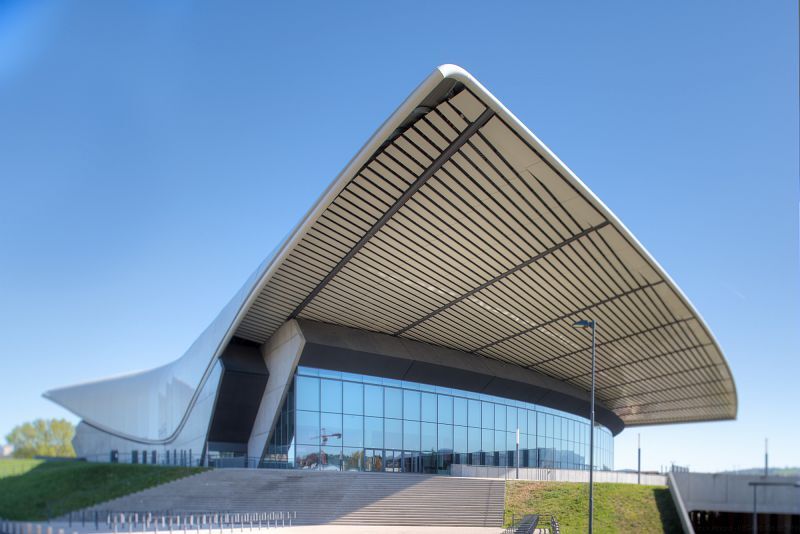
Desert Building Strategy
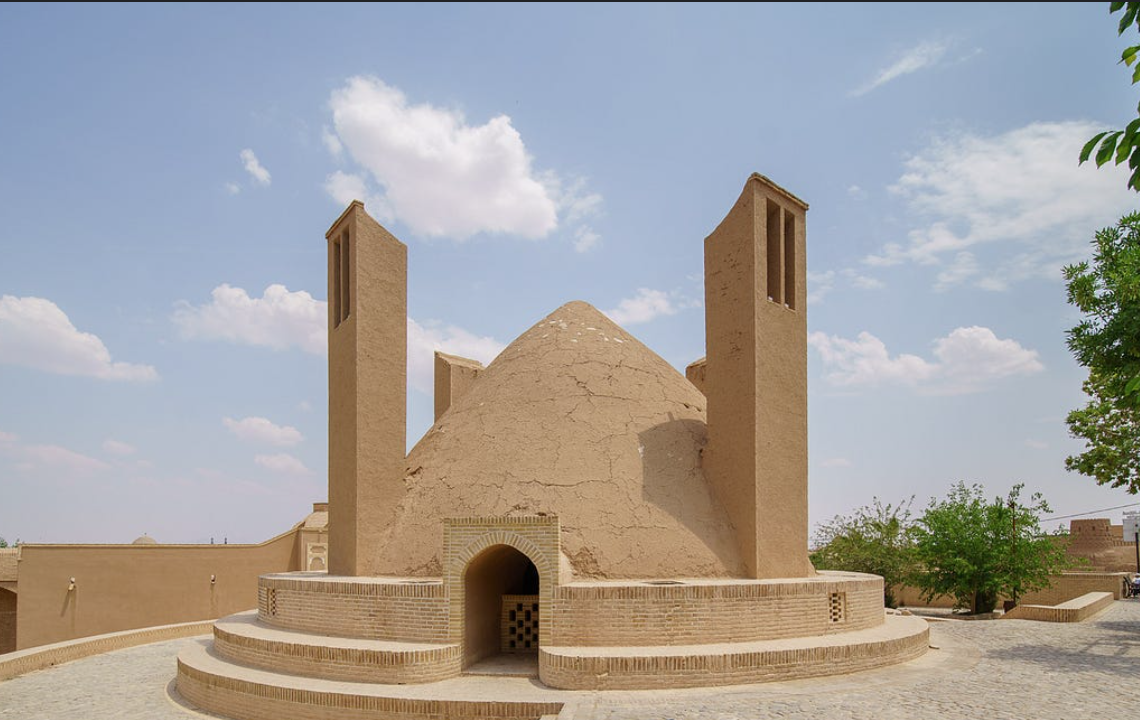
Windcatchers - Malqafs
Malqafs are unidirectional wind-catching towers that exemplify the precision of traditional Egyptian desert architecture, built to harness prevailing winds with remarkable efficiency. Unlike multi-directional towers, the malqaf features a single large opening oriented specifically toward dominant wind patterns—typically northerly breezes in Egypt—with an angled internal shaft that accelerates airflow deep into interior rooms. This targeted approach maximizes cooling performance through simplicity, capturing air at elevated heights where it's cooler and cleaner, above dust and ground-level heat.
The malqaf's sloped interior creates a Venturi effect that increases air velocity as it descends, delivering powerful natural ventilation to living spaces. Many traditional designs incorporate a salsabil, an evaporative cooling wall where incoming air passes over wet surfaces, or position the tower above courtyard fountains to further chill the breeze. Historic examples in Cairo's medieval qa'as (reception halls) demonstrate their effectiveness in creating comfortable gathering spaces despite extreme heat. The directional specificity of malqafs makes them ideal for sites with reliable prevailing winds, requiring careful site analysis of local wind patterns but rewarding with exceptional cooling performance.
For desert regions with consistent wind directions, malqafs offer a streamlined passive cooling strategy as a wind scoop that achieves maximum effect with minimal material investment and zero operational energy.
Desert Architect
Facades
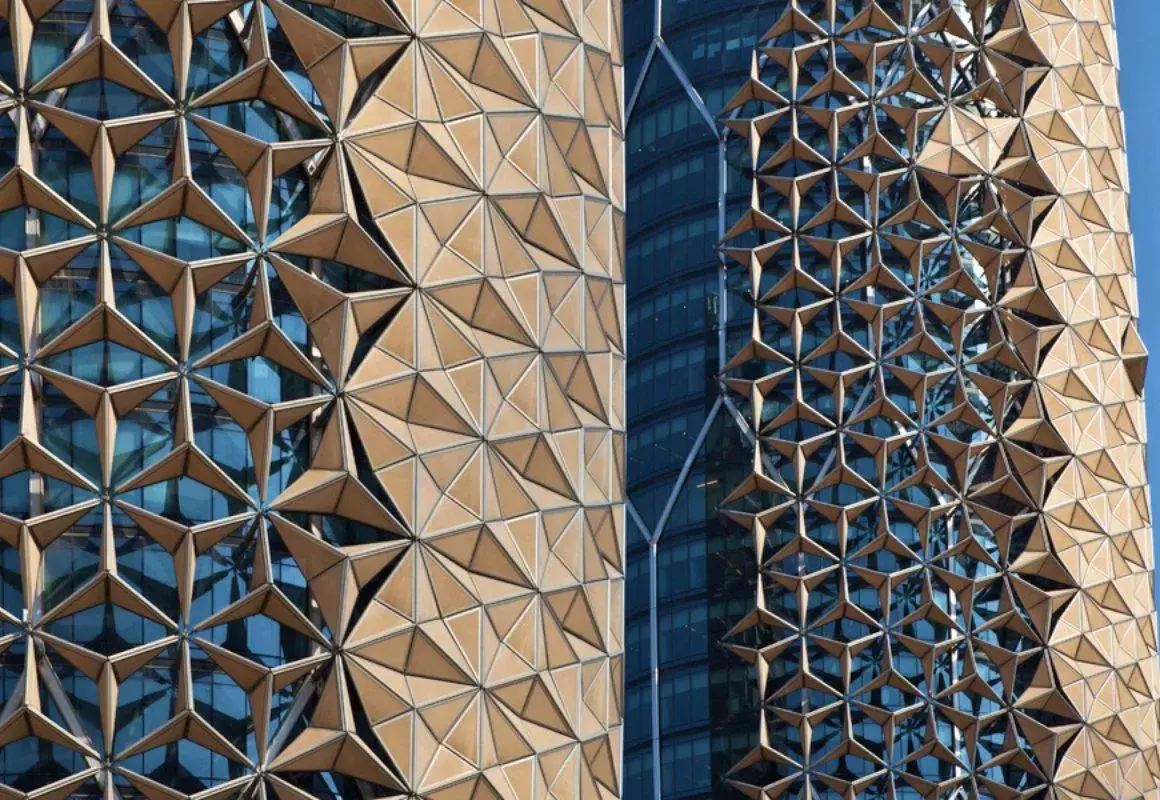
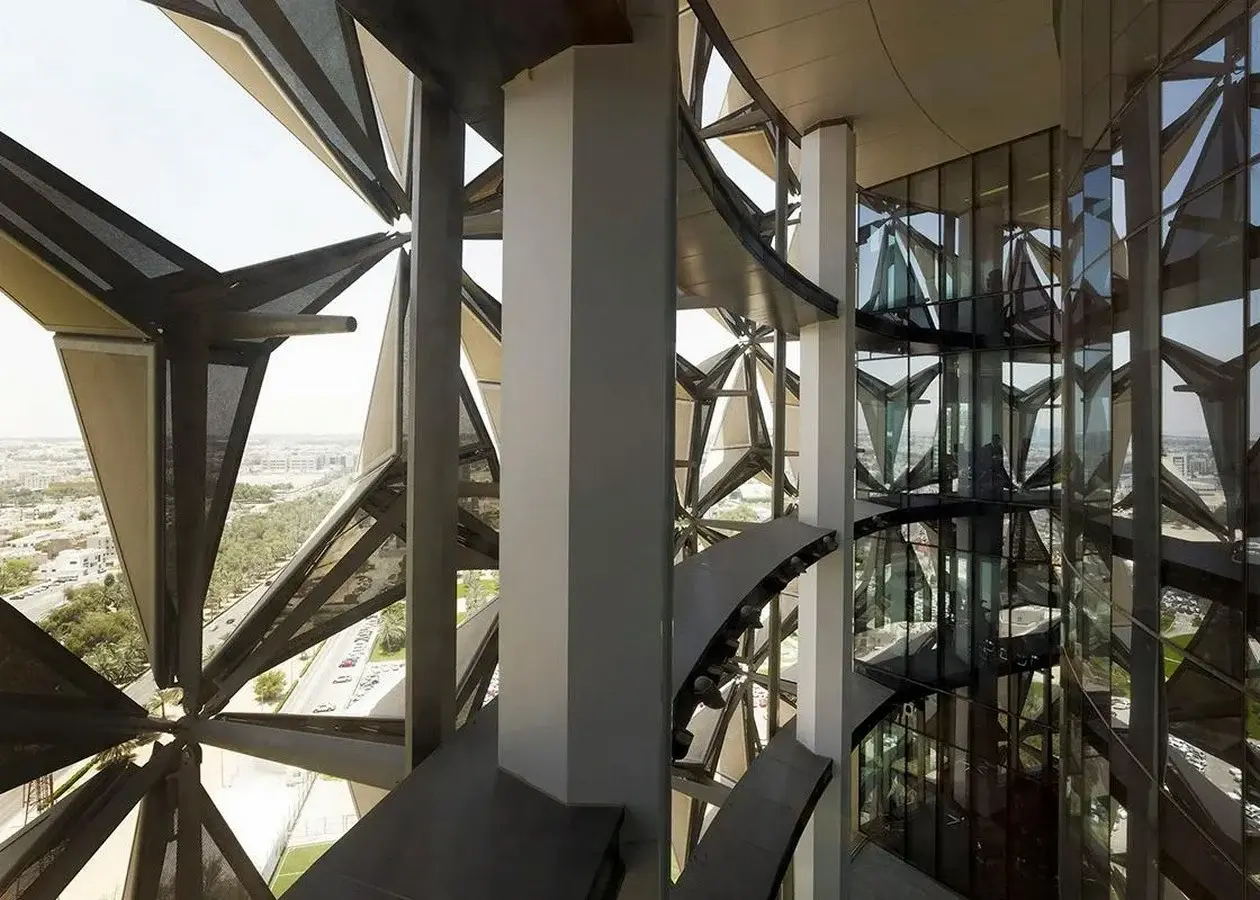
Desert Building Strategy
Kinetic Facade
Adaptive facades are responsive building skins that automatically adjust to changing environmental conditions, offering desert architecture a sophisticated strategy for managing extreme temperature swings and intense solar radiation. These dynamic systems incorporate movable elements—louvers, panels, shutters, or shading devices—that shift position throughout the day in response to sun angles, outdoor temperatures, and interior comfort needs. During peak sun hours, adaptive facades close or angle to block direct radiation while maintaining views and natural light, then open during cooler periods to promote ventilation and passive cooling.
Modern adaptive facades utilize sensors, actuators, and control algorithms to optimize performance, though the concept has ancient precedents in manually operated shutters and adjustable screens. Materials range from perforated metal panels that rotate on pivots to fabric membranes that expand and contract, each system calibrated to local climate patterns. The benefits extend beyond thermal comfort: adaptive facades reduce cooling loads by up to 30%, minimize glare without sacrificing daylight, and create visually dynamic architecture that responds to its environment. In desert regions where diurnal temperature variations can exceed 40°F, adaptive facades bridge day and night needs, tightening against midday heat and opening to evening breezes. For contemporary desert buildings seeking high-performance envelopes, adaptive facades represent architecture that actively engages climate rather than simply defending against it.
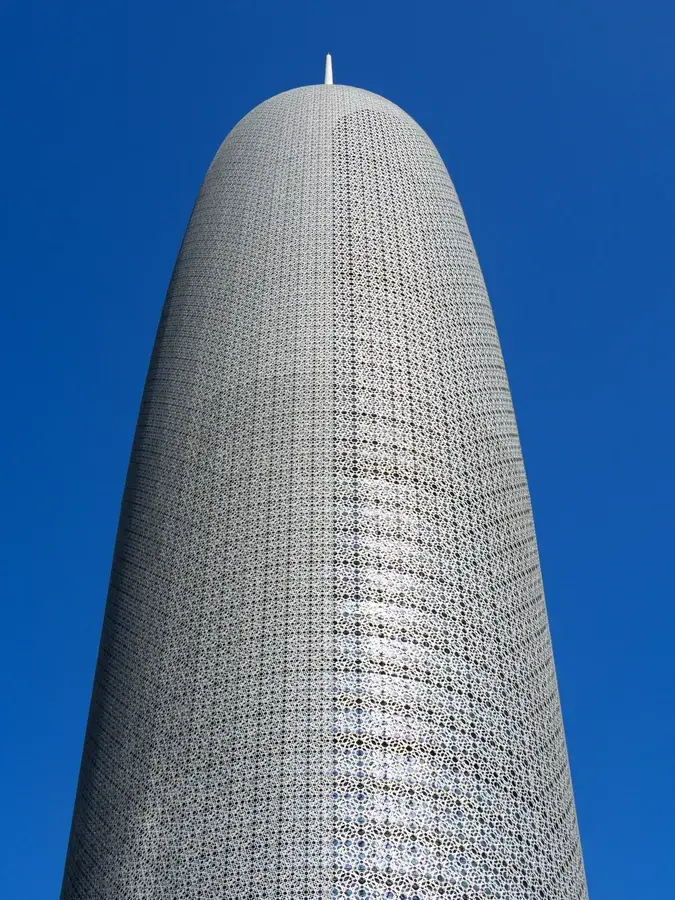

Desert Building Strategy
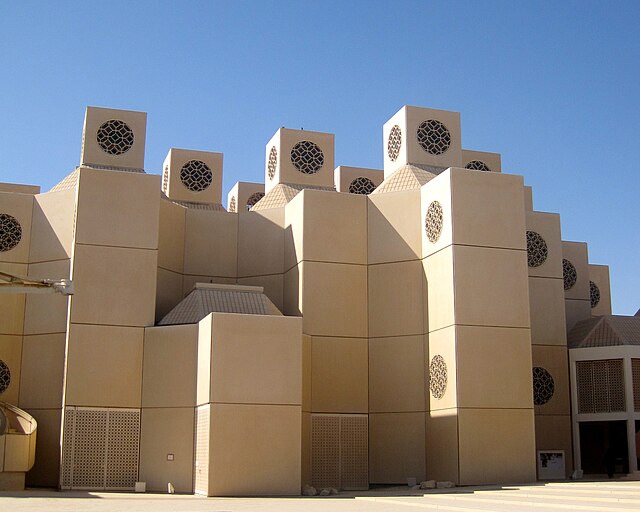
Perforated Facade
Perforated facades are patterned screens that filter sunlight, allow airflow, and provide privacy while maintaining visual connection to the outdoors—a balance perfected over centuries in desert building traditions. These ornamental yet functional barriers take many forms across cultures: intricate stone jali screens in South Asian architecture, carved wooden mashrabiya in Middle Eastern buildings, and cast concrete breeze blocks in mid-century modern desert homes. Each creates a semi-permeable envelope that dramatically reduces solar heat gain while permitting natural ventilation, often cutting direct sun exposure by 70-80% without blocking air circulation.
The perforations work through multiple mechanisms: they diffuse harsh desert sunlight into softer, dappled patterns that illuminate interiors without glare, create comfortable shaded zones along building perimeters, and generate passive airflow through the stack effect as hot air rises through the openings. Traditional mashrabiya often incorporated projecting upper floors with dense screening that provided shade to lower levels while capturing higher breezes. Modern applications expand the palette to include laser-cut metal panels, parametrically designed concrete screens, and terracotta brise-soleil, each offering customizable perforation patterns tuned to sun angles and privacy needs. The geometric patterns themselves can reference cultural heritage or express contemporary design while serving essential climatic functions. For desert architecture, perforated facades deliver both performance and poetry—practical solar control wrapped in patterns that transform light into an architectural element.
Desert Architect
Shade Design
Strategy
Landscaping
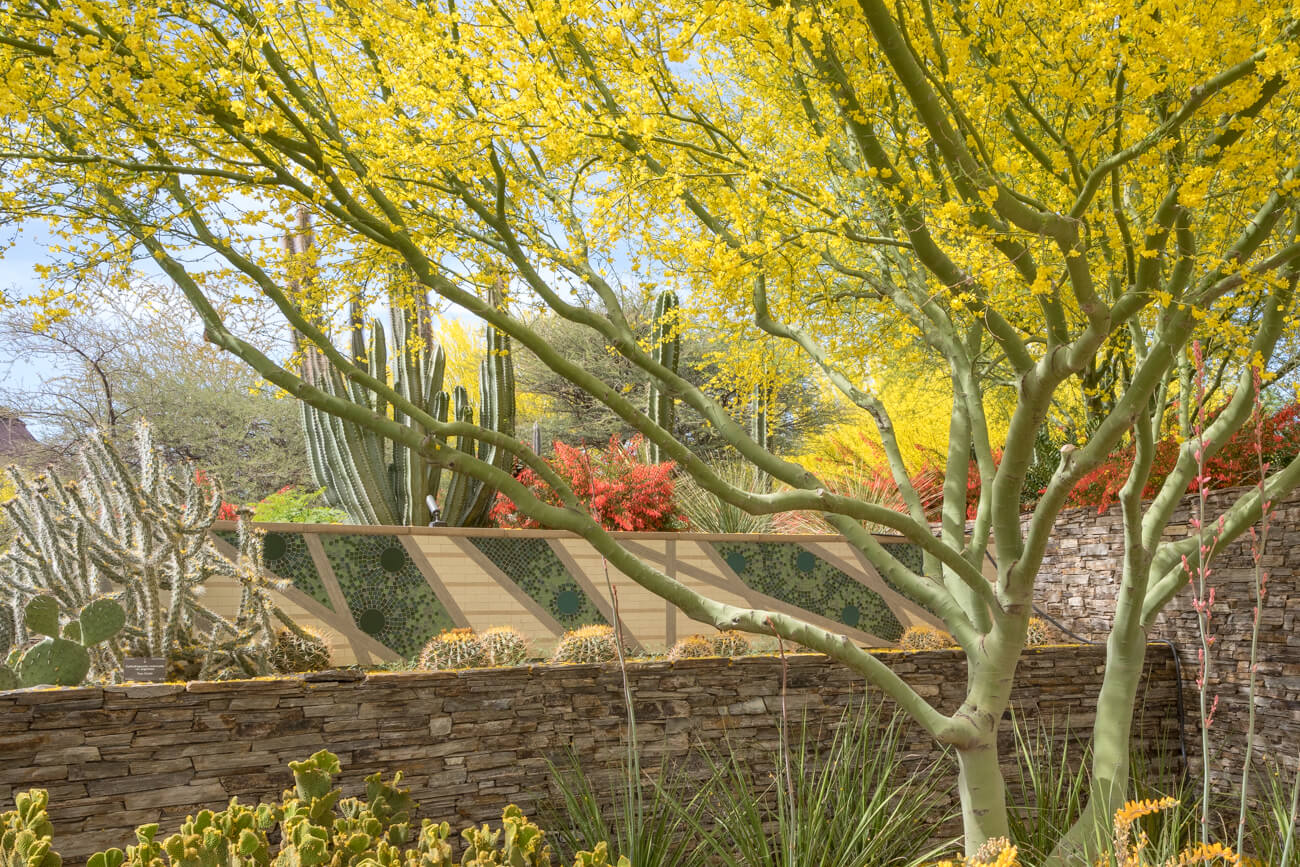
Strategic planting of trees and shrubs can increase the energy efficiency of the building(s) and surrounding areas.
Deciduous trees provide shade in summer and allow sunlight in winter, which can be advantageous.
Choosing plants native to Arizona offers a wealth of benefits, from significantly reducing water consumption and maintenance needs to supporting local ecosystems and attracting native wildlife. Native landscapes also enhance aesthetic appeal with their unique beauty, improve soil health, save homeowners money on water and upkeep, and contribute to environmental responsibility by conserving precious resources and protecting biodiversity.
Resources:
Blocking solar gain with shade landscaping through evapotranspiration
Blocking heavy winds with windbreak landscaping
Arizona native plant list
Strategy
Do Whatever You Want
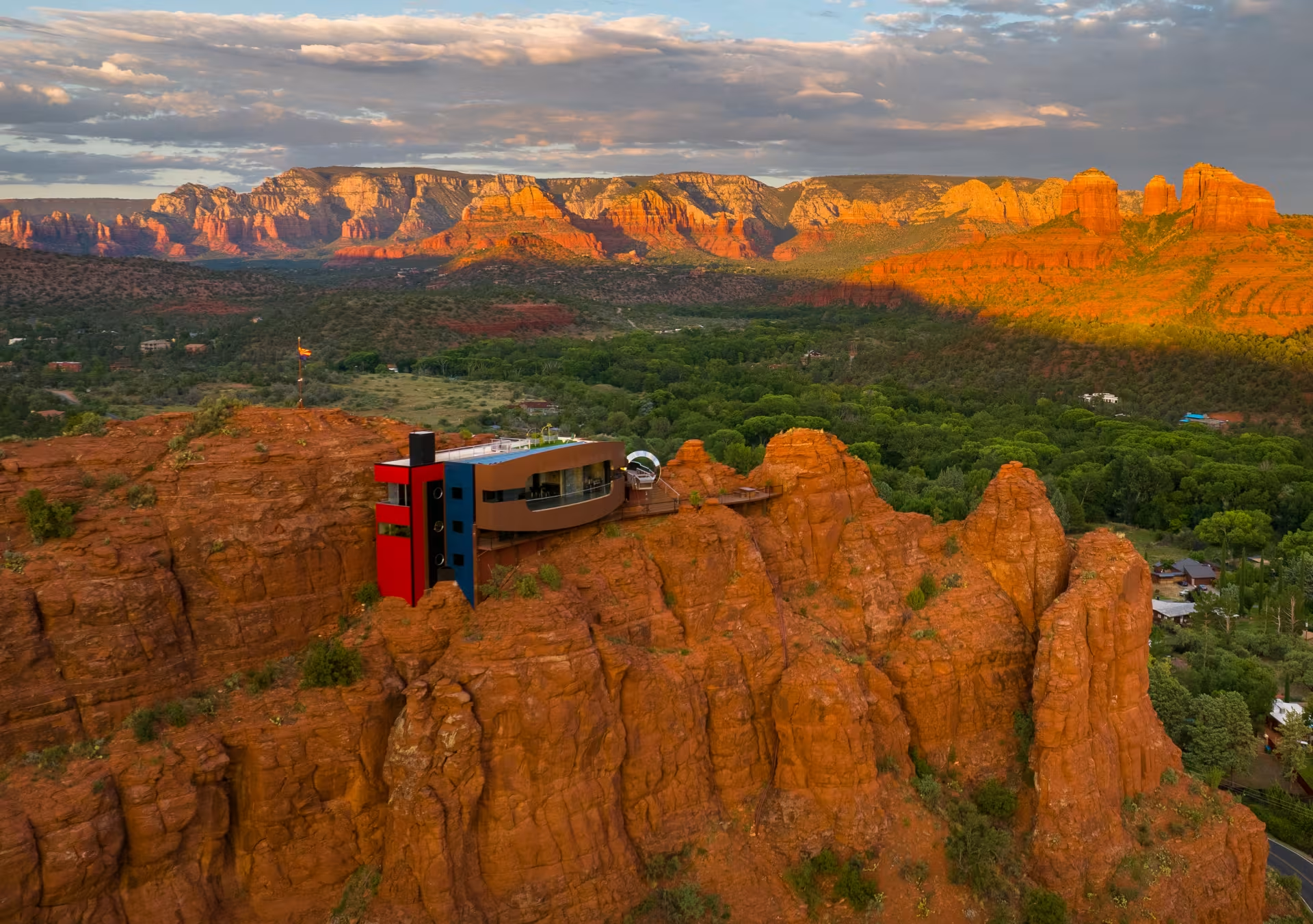
If you have the vision – the passion – and the perseverance to do whatever your heart desires... why not?!
Credit to Glendon Good who designed and built this house in Sedona, AZ.
See it featured by Sedona Monthly and the WSJ
Architectural Services
Learn about our 5 stage process to help you design and build your dream home.
Site Selection Services
Learn about our process to help you select the best property for your future home.
Architectural Style Guide
See our homes in all the desert architectural styles you can choose from for your home.
Arizona Climate Guide
Learn about the 4 different desert climates of Arizona to help you select which is right for you.
Desert Building Strategies
Learn about strategies to beat the heat and harsh conditions of the desert to make a house an oasis.
Desert Building Technologies
Learn about desert building technologies that aren't just cool, but make desert living cooler.
Desert Building Materials
Learn about all the available building materials and which ones do well in the desert and are right for you.
Desert Architect Articles
Read articles by Desert Architect on architecture, architectural trends, and innovations.
Arizona Relocation Guide
Learn about Arizona and all the great places to relocate to in state 48.
Arizona Climate Guide
Learn about the 4 different desert climates of Arizona to help you select which is right for you.
Sustainable Desert Living
Learn how to live sustainably in desert ecosystems to increase the value of your home and life in Arizona.
Adventures in Arizona
Learn about all the incredible adventures Arizona has to offer to live life to the fullest in the Grand Canyon state.
Lets begin
Ready to start your Journey
The Desert Architect team is here to help you create your custom home.